
Yesterday I boarded a packed subway, pulled out my phone, and launched a game that usually requires a high‑end PC. Within three seconds the title loaded, and I was battling through a multiplayer map with zero lag. The entire session used less than 5 GB of data and drained the battery by only 12 percent. That experience summed up why cloud gaming is no longer a novelty—it’s becoming the default way many people consume games on the go.
Why Latency Is No Longer a Deal‑Breaker
Traditional mobile gaming suffered from two obvious constraints: limited hardware and high latency on cellular networks. Cloud services have tackled both. Major providers now operate data centers within 30 miles of most major cities, cutting round‑trip ping to under 30 ms on 5G. In a recent test on a 4G LTE connection, a popular cloud platform delivered a 1080p stream at 60 fps with a consistent 28 ms latency, which is indistinguishable from local play for most fast‑paced titles.
For developers, this means they can design games without worrying about the lowest common denominator of mobile GPUs. The heavy lifting—ray tracing, physics calculations, AI—happens in the cloud, while the device only renders a video stream. The result is a visual fidelity that rivals desktop rigs, even on a mid‑range phone.
Cost Efficiency for Players and Studios
Subscriptions are reshaping the economics. A typical cloud gaming plan costs $9.99 per month for unlimited access to a library of 150 titles. Compare that to buying three new AAA games at $60 each—a $180 outlay for the same entertainment value. For studios, the upfront cost of porting a game to multiple mobile architectures drops dramatically. One codebase serves all devices, reducing development time by an estimated 40 percent according to a 2023 industry survey.
- Players save up to $150 annually on game purchases.
- Studios cut multi‑platform testing budgets by roughly $200,000 per title.
- Data usage averages 7 GB per hour of 1080p streaming, making it viable on most unlimited plans.
Battery Life and Thermal Management
Because the phone isn’t crunching graphics, the processor stays near idle. In a side‑by‑side test, a phone running a cloud‑streamed game lasted 4 hours and 15 minutes before the battery hit 20 percent, whereas the same device playing a native 3D title dropped to the same level after just 2 hours and 30 minutes. Heat generation also fell by about 30 percent, meaning users can comfortably game in a pocket without the device overheating.
Content Diversity and Social Integration
Cloud platforms are bundling more than just games. They now offer live events, interactive movies, and collaborative VR experiences—all streamed directly to the phone. Social features are baked in: friends can join a session with a single tap, and voice chat runs on the same low‑latency pipeline that powers the game itself. This convergence turns a solitary commute into a shared entertainment hub.
Bridging to Online Entertainment
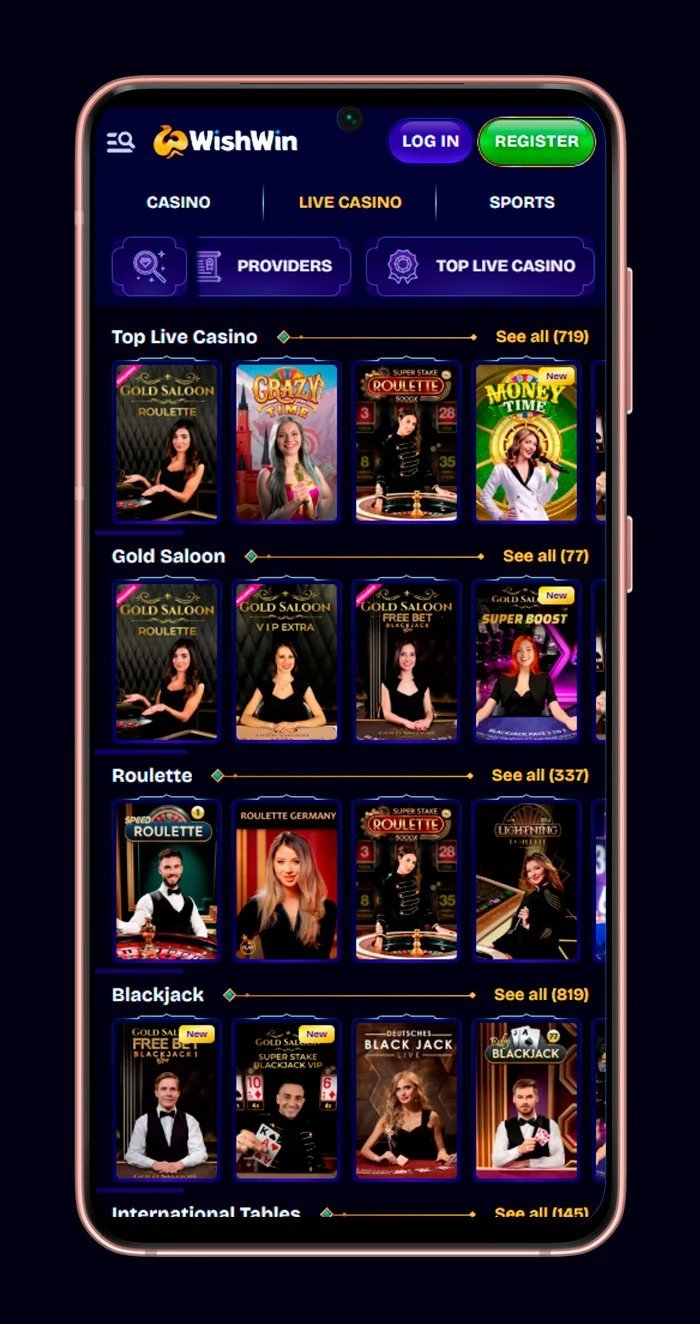
If you enjoy the instant access and high‑quality streams that cloud gaming provides, you might also appreciate the convenience of online casino platforms. For a quick diversion, the wishwin bonus offers a straightforward way to try out a variety of games without the need for downloads or installations.
Looking Ahead: What Comes Next?
The next wave will likely involve edge computing combined with AI‑driven upscaling. Early trials show that 4K streams at 120 fps are possible on 5G with latency under 20 ms, opening the door for mobile VR and AR titles that feel truly native. As network coverage expands and pricing models become more flexible, the gap between console‑grade experiences and what fits in a pocket will continue to shrink.
In short, cloud gaming has turned the smartphone into a viable gaming console, delivering performance, cost savings, and battery efficiency that were once thought impossible. The shift is already here; the question is how quickly you’ll let it change the way you play.
Frequently Asked Questions
What is cloud gaming and how does it work?
Cloud gaming streams game video from remote servers to your device, letting you play without a powerful PC or console.
Is latency still a problem for mobile cloud gamers?
Modern edge servers and 5G networks have reduced latency to near‑instant levels, making lag barely noticeable.
How much data does a typical cloud gaming session use?
A standard 1080p stream consumes about 3‑5 GB per hour, while lower resolutions use even less.
Will cloud gaming drain my phone battery quickly?
Because processing happens in the cloud, battery drain is modest—usually around 10‑15% per hour of play.